


Laboratory Coolers
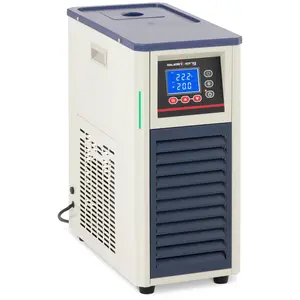
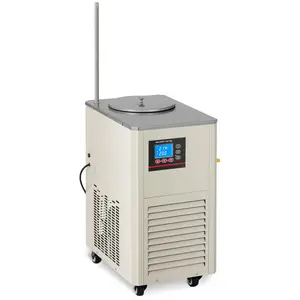

Recirculating Chiller - compressor: 726 W - -20 - 20 ℃ - 20 L/min
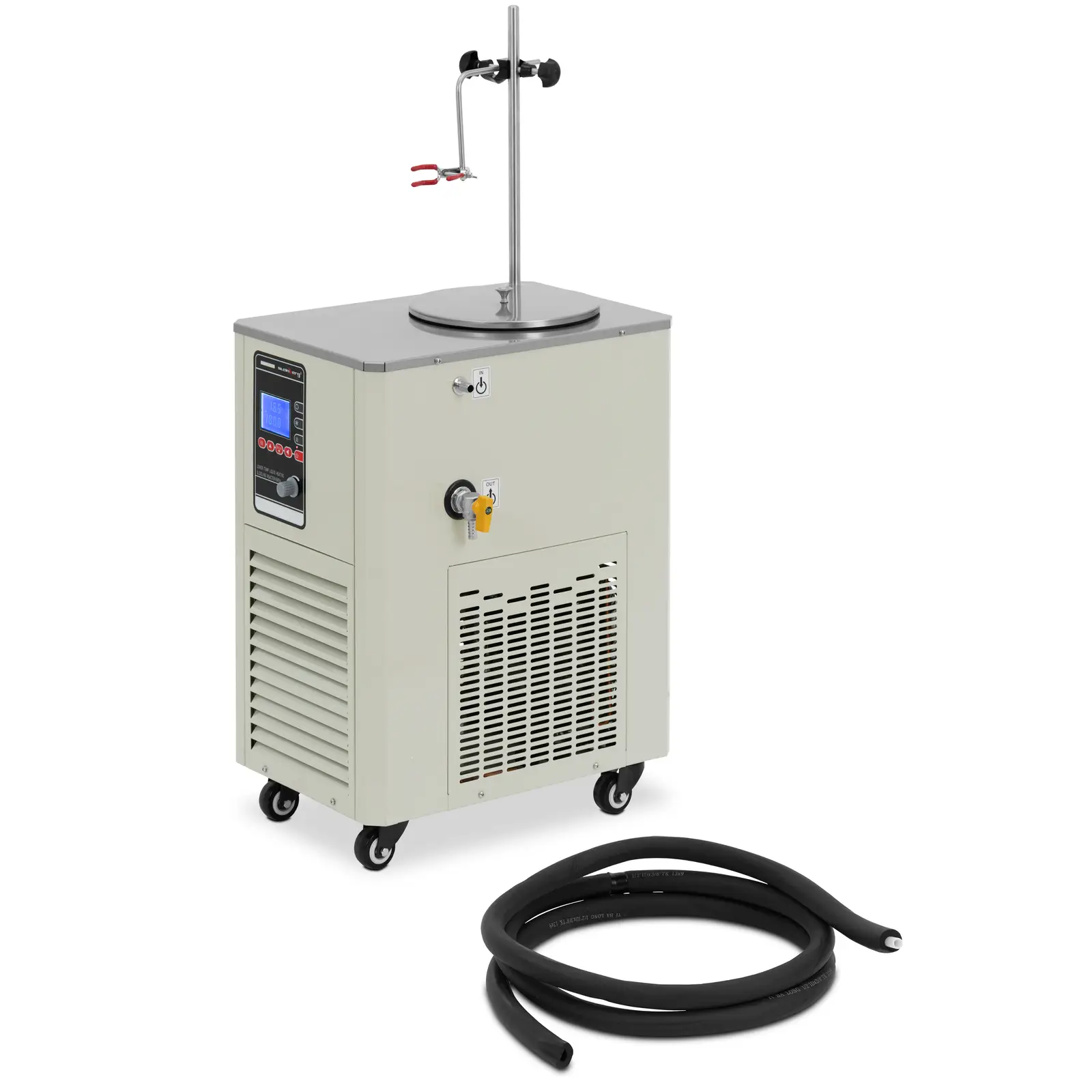
Recirculating Chiller - compressor: 2430 W - -20 - 99 °C - 20 l/min
- First
- 1
- Last
Get inspired with expondo blog




Laboratory coolers for dependable, precise temperature control
Laboratory coolers are the quiet workhorses behind stable, repeatable experiments. When you need to protect sensitive samples, keep reactions within specification, or maintain a constant process temperature for hours on end, a dedicated recirculating chiller delivers controlled cooling where it matters most: directly at the instrument or application point. By circulating a temperature-controlled fluid through an external loop, it helps reduce thermal drift and supports consistent results, even when ambient conditions change.
Within this category, recirculating chillers are the most representative solution for modern labs because they combine refrigeration, a reservoir, and a pump in one compact unit. They are designed for continuous operation and for delivering a steady flow rate, making them ideal for general laboratory workflows as well as more demanding, heat-generating processes. Whether you are cooling a condenser, stabilising a measurement setup, or removing excess heat from a closed system, the goal is the same: reliable cooling performance you can trust day after day.
A good laboratory cooler also helps you work more efficiently. Instead of relying on ice baths or frequently changed coolant containers, you gain a controlled, closed-loop approach that can reduce manual intervention. That means less downtime, fewer temperature swings, and a more professional, tidy workspace. In many applications, this also supports better solvent recovery, improved product quality, and smoother operation of connected apparatus.
Many users choose a recirculating chiller specifically to support tasks where consistent condenser temperature is critical, such as when working with rotary evaporators. By keeping the cooling circuit stable, you can maintain efficient condensation and help prevent unnecessary loss of volatile solvents, supporting a cleaner and more controlled process.
Recirculating chiller laboratory coolers: choosing the right model for your workflow
Not every workflow places the same demands on a cooling system, which is why selecting the right recirculating chiller starts with understanding your application. Consider the required temperature range and the heat load you need to remove. Higher heat loads typically require a more powerful refrigeration system and an appropriately sized reservoir, while low-temperature tasks may benefit from models optimised for stability and insulation. Choosing a unit that matches your real-world operating conditions helps ensure steady performance without overworking the system.
Flow rate and pump pressure are equally important. If your setup includes longer hose runs, narrow channels, or resistance from an external jacket or heat exchanger, you will benefit from a chiller with sufficient pump performance to maintain circulation. A stable, adjustable flow can be especially useful when you need gentle cooling for delicate processes or stronger circulation to quickly pull down temperature. This flexibility makes recirculating chillers a practical choice across a broad range of laboratory applications.
Pay attention to control and monitoring features. Clear temperature displays, intuitive set-point adjustment, and dependable sensors help you keep your process on track. Many lab teams also value alarms and protective functions that support safe operation, such as warnings for low fluid level or temperature deviations. These features are not just “nice to have”; they can reduce avoidable interruptions and help protect connected instruments from thermal stress.
Practical details matter too. A compact footprint supports benchtop placement, while robust housing and easy-access service areas simplify upkeep. Consider the type of coolant you plan to use and confirm compatibility with seals and tubing in your system. If your laboratory layout changes frequently, mobility and simple hose connections can make everyday work far easier—especially in busy environments where equipment is shared between stations.
Laboratory coolers in practice: integration, safety, and long-term value
Integrating laboratory coolers into a wider setup is typically straightforward, particularly when you match hose diameters, choose suitable fittings, and position the unit for adequate ventilation. A recirculating chiller works best when the fluid circuit is well planned: short lines where possible, gentle bends rather than tight kinks, and secure connections to prevent leaks. With a well-organised loop, you can achieve faster temperature stabilisation and more consistent cooling performance over extended runs.
Laboratory environments demand clean, dependable operation. Regular checks of fluid level, filters (where fitted), and the condition of hoses help keep cooling performance stable. Periodic cleaning of air intakes and ensuring sufficient clearance around the unit can support efficient heat exchange and reduce noise. These small routines often translate into a longer service life and fewer unexpected interruptions, which is especially valuable when your timeline depends on uninterrupted temperature control.
Safety and process assurance go hand in hand. Choosing the appropriate coolant, avoiding cross-contamination, and maintaining a stable set point can help protect both samples and equipment. For temperature-sensitive routines, a reliable laboratory cooler can also reduce variability between runs, contributing to improved repeatability and clearer documentation of conditions. When cooling is consistent, it becomes easier to compare results and refine methods with confidence.
Because cooling is so foundational, laboratory coolers often sit at the centre of a well-equipped workspace, alongside essential laboratory equipment and specialised laboratory devices. A recirculating chiller supports that ecosystem by providing steady thermal management, helping connected tools perform at their best and keeping your processes under control.
Ultimately, the right laboratory cooler is an investment in consistency and efficiency. By choosing a recirculating chiller that suits your temperature range, heat load, and circulation needs, you gain a dependable partner for daily lab work—one that helps you maintain stable conditions, streamline your workflow, and focus on the quality of your results rather than the challenges of managing temperature.