


Animal traps

Get inspired with expondo blog


Humane animal traps for considerate, controlled capture
When you need a practical way to manage unwanted visitors without resorting to harsh methods, our animal traps are designed to help you act responsibly and efficiently. This category focuses on humane capture solutions that allow you to contain small animals safely, with sturdy construction and user-friendly handling. Whether you are protecting feed stores, securing outbuildings, or keeping a garden tidy, a well-made trap can help you address the problem calmly and cleanly while keeping disruption to a minimum.
Our humane animal trap options are built with everyday reliability in mind. Expect robust frames, smooth internal surfaces, and secure closing mechanisms that help reduce the risk of injury. Many designs use a sensitive trigger plate that responds quickly once the animal enters, helping to prevent long waiting times. Secure doors and dependable latches are essential for peace of mind, particularly when traps are placed along walls, near sheds, or in other high-traffic routes where animals naturally travel.
Materials matter in real working environments. Galvanised or coated metal finishes can offer improved resistance to corrosion, making traps suitable for damp corners, outdoor placement, and frequent cleaning. Practical details such as carry handles, bait compartments, and carefully spaced mesh contribute to easier set-up and more confident transport once a capture has been made. If you are setting traps as part of routine animal management, you may also find it helpful to explore complementary animal care equipment for safe handling and general welfare-friendly practices.
Because humane capture relies on responsible use, it is important to check traps regularly, provide shade where appropriate, and plan ahead for release or next steps in line with local rules. A humane trap is most effective when paired with good placement, suitable bait, and consistent monitoring, turning a stressful situation into a controlled, well-managed task.
Set live traps that make placement and repeat use simple
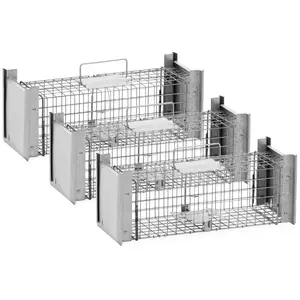
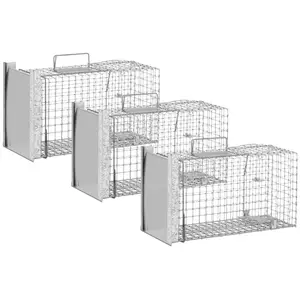
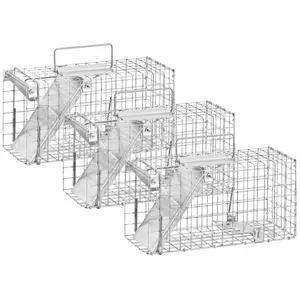
If you want a ready-to-go solution that supports efficient coverage, set live traps offer a convenient approach. They are especially useful when you need to position multiple units along likely runways or around vulnerable zones such as bins, storage areas, barns, or garden boundaries. A coordinated set helps you respond quickly, saving time and reducing guesswork, while keeping the overall approach consistent across different locations.
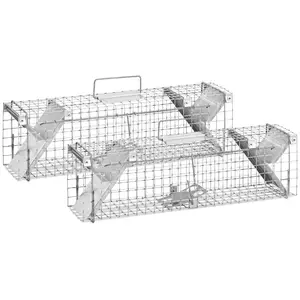
Live trap designs typically focus on reliable entry and secure containment. Many include a one-way door system or a trigger-activated closing door that helps ensure the animal remains inside once caught. When you are working in tight spaces, a compact footprint can be valuable; when you are covering open ground, a longer cage profile can improve the chance of entry. The goal is the same: a stable, dependable trap that is easy to set, easy to carry, and straightforward to reset after cleaning.
For best results, think about how animals move. Position traps parallel to walls or fences where possible, and avoid leaving strong human scents near the entrance. Using an attractive bait and placing it correctly beyond the trigger point encourages a full entry. If you are using traps as part of a broader site-management routine, consider pairing them with proven pest control equipment to support prevention, monitoring, and tidier working areas.
Repeat usability is a key advantage of set live traps. A design that folds or stores efficiently can be easier to transport and keep organised between deployments, while sturdy hinges and well-aligned doors help maintain consistent performance over time. With the right set, you can establish a clear routine: place, bait, check, handle, clean, and redeploy.
Choosing animal traps: sizing, safety features, and practical handling
Selecting the right live trap starts with matching the size and strength of the trap to the type of animal you intend to capture. A trap that is too small can be ineffective, while one that is too large may reduce sensitivity and lead to missed triggers. Look for stable construction, a smooth action on the door, and a trigger mechanism that is responsive without being overly delicate. Where you anticipate repeated use, durability and ease of cleaning should be high priorities, as hygiene and odour control can significantly affect ongoing success.
Safety features make day-to-day use easier. Strong carry handles help keep hands away from the cage, while secure locking points reduce the risk of accidental opening during transport. Fine, well-finished mesh can help prevent scratching and minimise stress. If you are handling traps around pets or working areas, it is sensible to think about where the trap is placed, how it is marked, and how quickly it can be checked. For households that already manage animals and accessories, it can be useful to coordinate with existing pet supplies to keep routines tidy and consistent.
Practical handling also means planning for what happens after capture. Prepare gloves and a safe route to your release point or designated handling area, and avoid unnecessary noise or movement around the trap. Keep the trap level when carrying, and place it on a stable surface while you assess the situation. Once the process is complete, clean the trap thoroughly and allow it to dry before storing, helping to reduce odours and maintain a hygienic set-up for future use.
With well-chosen animal traps, you gain a reliable, humane way to respond to common animal intrusions while keeping your environment organised and under control. From a single humane animal trap for occasional use to set live traps for broader coverage, this category is built around practical performance, responsible handling, and straightforward operation that fits into real working routines.