


Garden composters


- First
- 1
- Last
Get inspired with the expondo blog


Garden Composters: Enhance Your Garden and the Environment
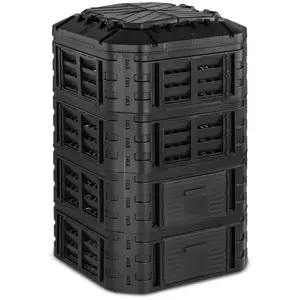
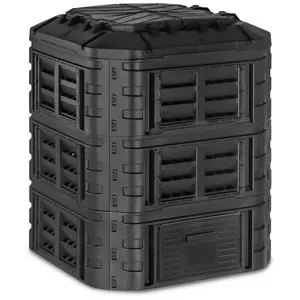
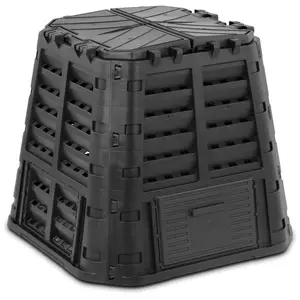
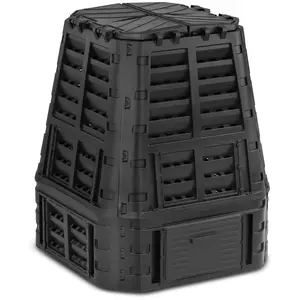
A garden composter is an invaluable tool for any gardener interested in recycling organic waste and enriching their soil. By converting garden waste into nutrient-rich compost, you can improve the health of your garden while reducing the amount of waste sent to landfills. Whether you're looking to manage grass clippings, vegetable scraps, or autumn leaves, the right garden composters can make composting simple and efficient. At expondo, we offer a wide range of composter bins designed to suit various garden sizes and needs, ensuring there’s a perfect option for every gardener.
Why Choose a Garden Composter?
A garden composter is more than just a bin for your yard waste; it’s a tool that supports sustainable gardening by turning organic refuse into nutrient-dense compost. This compost not only reduces the environmental impact of waste but also enhances the fertility of your soil. Garden composters help keep your garden green and healthy by providing essential nutrients that your plants need to thrive. Composting reduces your need for chemical fertilizers, conserves water, and helps maintain a balanced, organic garden ecosystem.
Composting is also an excellent way to reduce the volume of waste you send to landfill. Around 30% of household waste is organic material, and by composting, you’re taking a proactive step towards reducing waste and lowering your carbon footprint. A composter bin allows you to recycle kitchen scraps, lawn clippings, autumn leaves, and more into a resource that can significantly improve the soil quality in your garden.
Types of Garden Composters: Which One is Right for You?
Choosing the best composter for garden depends on various factors, including the size of your garden, the volume of organic waste you produce, and your composting goals. Here’s an overview of the different types of garden compost bins available:
1. Plastic Compost Bins
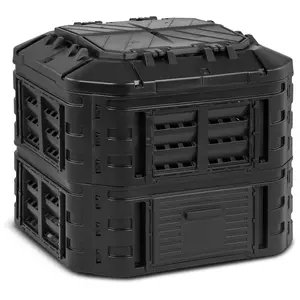
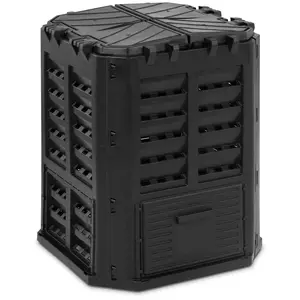
Plastic composters are a popular choice for gardeners who want a simple, low-maintenance composting solution. Made from durable, weather-resistant plastic, these bins are perfect for outdoor use and can withstand the elements year-round. Plastic compost bins are lightweight, making them easy to move and reposition, and they are typically designed with good airflow to promote fast decomposition. Many models feature a convenient hatch or door for easy access to finished compost.
These composters are particularly suitable for beginners, as they require minimal upkeep and offer a clean and hassle-free way to compost. If you’re looking for a straightforward, efficient way to turn garden waste into compost without complex maintenance, a plastic compost bin could be the ideal option for you.
2. Multi-Compartment Compost Bins
If you have a larger garden and generate a substantial amount of waste, you may benefit from a composter bin with multiple compartments. These systems allow you to separate fresh waste from older, more mature compost, which can help speed up the decomposition process. As one side of the compost bin breaks down, you can add fresh materials to the other side, ensuring a continuous cycle of compost production.
Multi-compartment garden composters are great for gardeners who want to produce compost on a larger scale, as they allow for better management of organic waste. With their organized design, these bins provide both functionality and efficiency, making them a great investment for dedicated gardeners.
3. Composting Tumblers
For those who want faster results, composting tumblers are an excellent option. These rotating bins make it easy to mix and aerate your compost, accelerating the decomposition process. With a composting tumbler, you can turn your organic waste into compost in a matter of weeks instead of months. The tumbling action ensures that the materials are properly mixed and that air is distributed throughout the pile, which is crucial for successful composting.
These types of composters are ideal for gardeners who want a more hands-on approach and are looking for quicker results. If you're short on time and want a more efficient way to compost, a composting tumbler can meet your needs.
4. Wooden or Wire Compost Bins
For gardeners who prefer a more rustic look or are interested in building their own composting system, wooden and wire composter bins offer a great option. Wooden bins blend seamlessly with garden environments and provide a natural aesthetic. While these systems often require more attention and upkeep compared to plastic alternatives, they are cost-effective and environmentally friendly. Some gardeners prefer these types of composters because they allow for more customization and flexibility in size and structure.
Wooden and wire compost bins are ideal for gardeners who don’t mind putting in a bit more effort and who are looking for an organic solution to composting. With proper maintenance, these bins can be long-lasting and effective for composting a range of materials.
Key Considerations When Choosing a Garden Composter
Selecting the right composter for garden use depends on several important factors. Here are the key elements to keep in mind before making your purchase:
Size and Capacity
The size of your garden and the volume of waste you produce will determine the capacity of the composting bin you need. Smaller gardens typically do well with compact plastic composters or tumblers, while larger gardens may require multi-compartment garden composters that can handle larger quantities of organic material. Always choose a composter bin that matches the scale of your composting needs.
Material Choice: Plastic, Wood, or Metal?
Each material offers its own advantages. Plastic compost bins are durable and weather-resistant, offering ease of use and minimal maintenance. Wooden compost bins are more aesthetically pleasing and environmentally friendly, though they require more upkeep. Metal options are also available and provide durability with good airflow, though they may be susceptible to rust.
Ease of Use
Look for a garden composter that is easy to access and maintain. Features such as removable doors or hatches make it easier to load and unload compost. Composting tumblers also provide convenience by allowing you to mix the compost without manual turning. Make sure the design suits your comfort and composting routine.
Ventilation and Aeration
Proper ventilation is crucial for efficient composting. Choose a compost bin that has good airflow to promote aerobic decomposition. Some plastic composters are designed with ventilation holes, while tumbling composters offer built-in aeration through their rotating function. Good ventilation ensures that the organic material breaks down efficiently and prevents unpleasant odours.
Pest Control Features
Pests can be a problem when composting organic waste, especially in warmer months. Look for a composter bin with a secure lid or locking mechanism to prevent rodents, insects, and other pests from infiltrating your compost. Many garden composters come with tightly sealed lids or mechanisms designed to keep unwanted critters at bay.
FAQs
How long does it take to make compost?
The composting process can take anywhere from a few weeks to several months, depending on the type of composter bin used and how often it’s turned.
Can I compost meat and dairy products?
It’s best to avoid composting meat, dairy, and oily foods as they attract pests and slow down the decomposition process. Stick to plant-based materials, such as fruit and vegetable scraps, leaves, grass clippings, and coffee grounds.
What should I do if my compost smells bad?
If your compost pile smells unpleasant, it’s likely due to a lack of aeration or an imbalance of green and brown materials. Ensure you’re mixing the compost regularly and maintaining the proper balance of materials. Add more brown materials (like dry leaves or cardboard) if it’s too wet.
Can I compost all garden waste?
Most garden waste, including leaves, grass clippings, and plant trimmings, can be composted. However, avoid composting diseased plants or weeds with mature seeds, as these could spread through your garden when you use the compost.
Choose the Best Garden Composter for a Healthier, Greener Garden
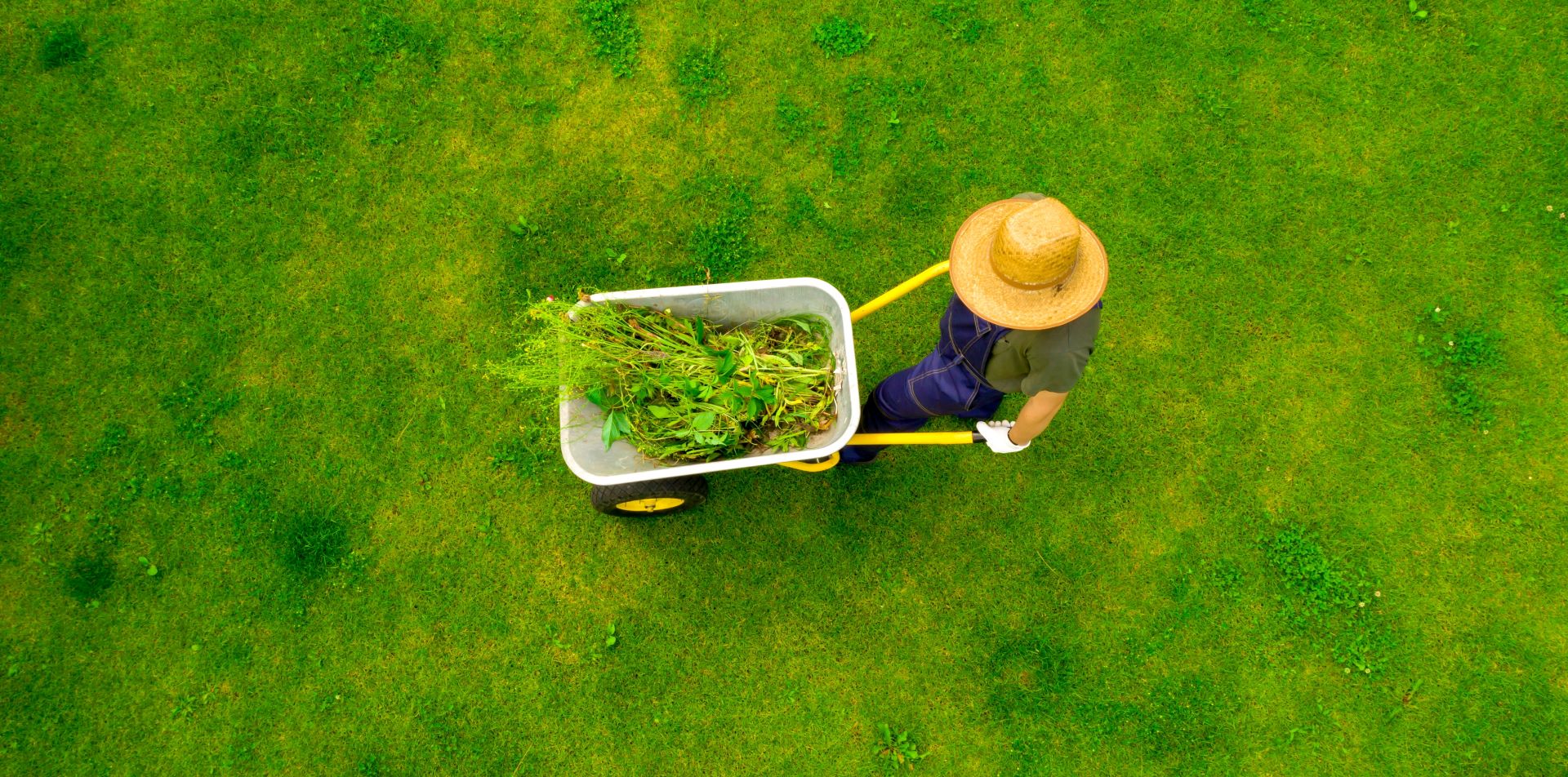
Explore our selection of garden composters today and discover the perfect solution for your gardening and composting goals. And don’t forget, maintaining a beautiful garden is a year-round effort. Pair your garden composter with our garden trolleys to easily transport your compost and other materials. For efficient waste disposal and garden clean-up, consider our garden chippers . To ensure your garden stays lush and healthy, add a seeder to help with efficient planting, and tackle fallen leaves with a powerful leaf blower. Together, these tools will help you maintain a thriving garden while promoting a greener, eco-friendly approach to gardening.