


Floor Mats


- First
- 1
- Last
Get inspired with expondo blog






Floor mats for safer, more comfortable work and public areas
Floor mats do far more than simply cover a surface: they help you create cleaner entrances, safer walkways and more comfortable standing zones, all while giving your space a professional, well-finished look. Whether you are fitting out a busy reception, a production area, a warehouse aisle or a workshop bay, the right mat setup can reduce slips, minimise tracked-in dirt and provide a more stable footing where people move quickly or carry loads.
This category focuses on practical floor mat components designed to build and refine a reliable matting area. Instead of one-size-fits-all solutions, you can tailor your layout to suit your site, adjusting the footprint as needs change. By improving transitions between surfaces and creating clear edges, these parts support safer daily movement for staff and visitors alike. For spaces that need regular cleaning and maintenance, pairing your matting plan with the right janitorial equipment helps you keep floors looking smart and performing as intended.
Because floor mats are often placed in high-traffic zones, the details matter. A tidy perimeter, secure joins and smooth access points all contribute to a matting area that feels intentional rather than improvised. That is exactly where finishing elements such as edge strips, end strips and connecting pieces come into their own: they help the mat sit properly, stay aligned and integrate neatly with the surrounding floor.
Floor mats accessories: edge strip for anti-fatigue zones and end strip finishing
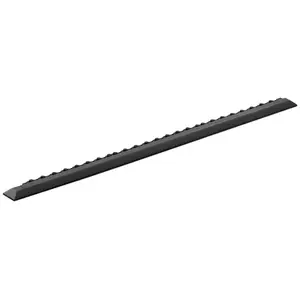
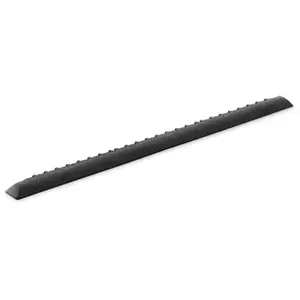
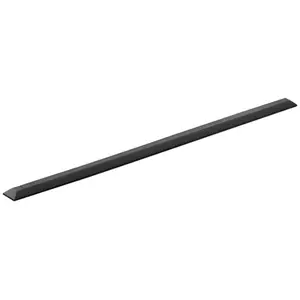
A well-fitted border makes a big difference to both safety and appearance. Edge strips are designed to create a gentle bevel at the perimeter of a mat area, reducing the chance of catching toes, trolley wheels or pallet truck rollers on a raised edge. This is particularly valuable around anti-fatigue standing zones, where thicker matting can otherwise create an abrupt step. Choosing an edge strip for anti-fatigue applications helps you form a smoother transition that feels natural underfoot and supports confident movement across the workspace.
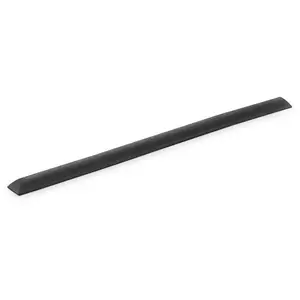
End strips offer similar benefits where the mat run needs a clean finish at the start or end of a walkway, line, bench or packing station. They help define the mat boundary, improve stability at the edge and provide a neat, professional termination to your layout. If your matting area sits next to doors, corridors or work cells, end strips can make access feel more intuitive while also helping to keep edges from lifting with repeated traffic.
Beyond safety, edging and finishing strips can support better housekeeping. When a mat perimeter is properly formed, it is easier to sweep, vacuum or mop around it, and less likely that dust and debris will build up in awkward gaps. These finishing components are a smart choice for spaces that aim for a consistent standard of presentation, whether customer-facing or purely operational.
For planning and fitting out complete stations, it can be helpful to consider matting as part of the wider environment: from bench placement and storage to line marking and traffic routes. If you are setting up or refreshing a site, complementary workplace equipment can help you organise the area so your floor layout supports efficient, safe routines.
Floor mats made flexible: connecting pieces for secure, expandable layouts
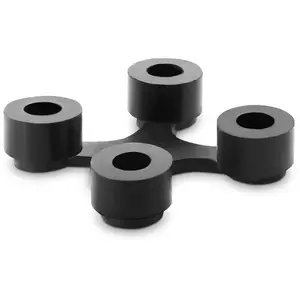
When a single mat is not enough, connecting pieces allow you to build a larger, more continuous surface while keeping everything aligned. They are designed to join sections cleanly, helping the overall matting area behave like one cohesive platform rather than a set of separate pieces that drift over time. This can be especially useful in longer walkways, around machine perimeters, or across team work zones where traffic patterns are consistent and you want dependable coverage.
Connecting pieces are also ideal when your layout needs to evolve. As workstations move, production lines expand or seasonal workflows change, you can adjust your mat footprint without starting again from scratch. This modular approach lets you extend coverage where people stand for long periods, widen a path where trolleys pass, or reconfigure a zone to match updated processes. The result is a practical solution that supports day-to-day operations while keeping floors looking considered and well maintained.
Safety is about more than the floor itself; it is also about how people interact with the environment. A stable, clearly defined matting area supports confident steps, smoother handling of loads and fewer awkward transitions. In settings where protective measures are essential, it makes sense to think of matting alongside suitable personal protective equipment, helping you create a more complete approach to everyday risk reduction.
Whether you are improving an entrance, defining a standing zone or building a continuous walkway, these floor mats components help you achieve a secure fit and a professional finish. With the right combination of connecting pieces, edge strips for anti-fatigue zones and end strips, you can create matting areas that look tidy, feel comfortable and support safer movement throughout your space.