


Drywall Elevators
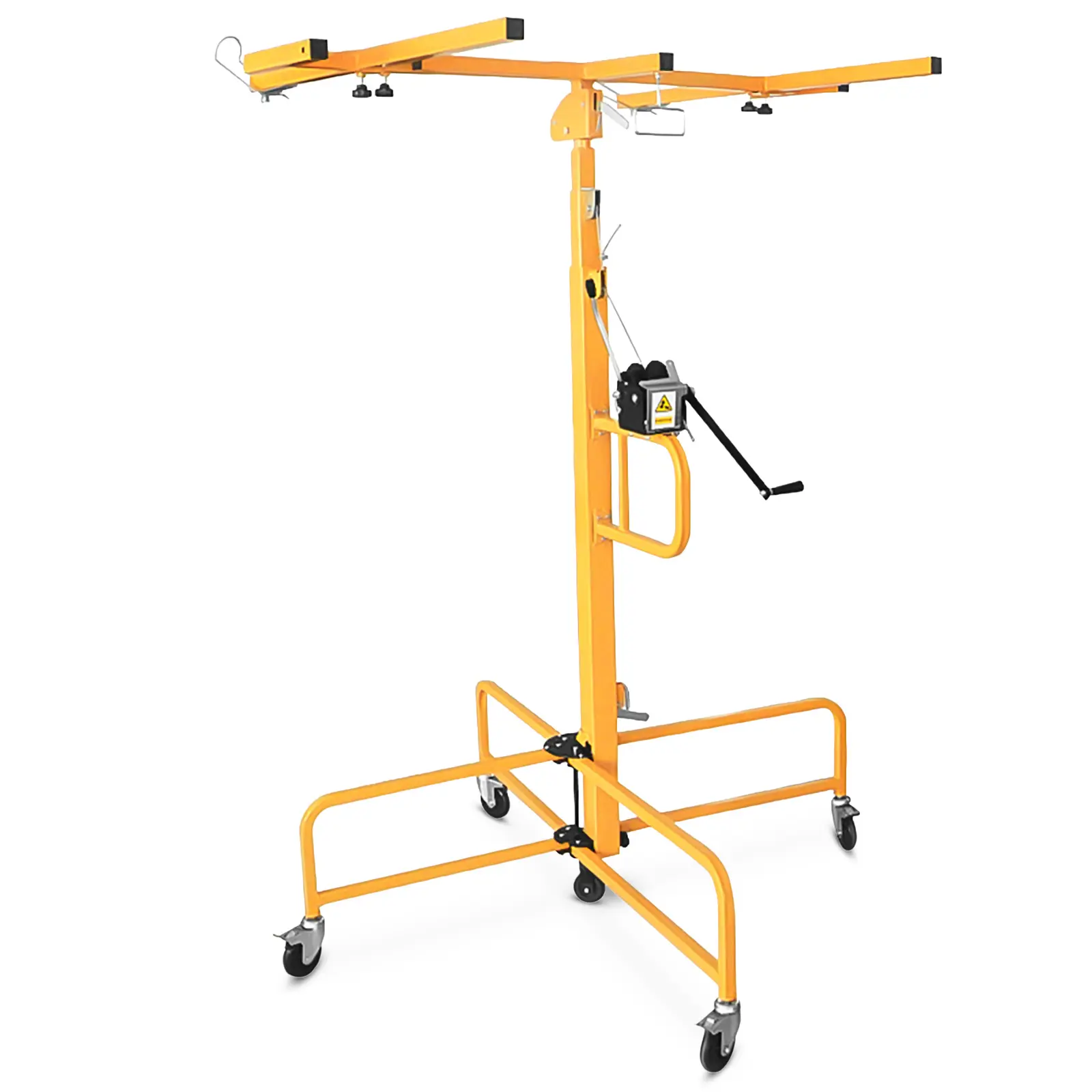

Drywall elevators that make plasterboard installation smoother
Drywall elevators are designed to take the strain out of lifting and holding large plasterboard sheets, helping you position panels accurately on ceilings and high walls without the need for extra hands. Whether you are fitting boards in a renovation, finishing a new build, or carrying out routine maintenance work, these practical lifting aids keep the sheet stable while you focus on alignment, fixing points, and a neat finish.
At the heart of this category is the plasterboard lifter: a purpose-built, mobile platform that raises boards to working height and supports them securely while you screw, nail, or adhesive-fix. By reducing manual handling and awkward overhead lifting, a drywall elevator can improve comfort, minimise fatigue during long fitting sessions, and support safer working habits on site and in the workshop.
Because plasterboard comes in generous sizes, stability is essential. A well-chosen drywall elevator helps prevent sagging, slipping, or sudden shifts while you make fine adjustments. This is especially useful when working alone, when boards need to be held in place for extended periods, or when you are installing ceiling panels where precision matters most.
Plasterboard lifter features: stable reach, control and flexibility
A plasterboard lifter typically combines a robust base with smooth-rolling castors, a lifting mast, and a cradle that supports the sheet. The cradle is made to hold standard plasterboard dimensions securely and to keep the panel flat during lifting, allowing consistent contact with joists, battens, or framing. Many users appreciate a wide stance for extra confidence when manoeuvring loaded equipment across uneven floors or between rooms.
Height adjustment is key for ceiling work. A dependable lifting mechanism lets you raise the board steadily and hold it at the desired level while you check edges, seams, and screw spacing. Fine control is particularly valuable when matching existing lines, working around lighting cut-outs, or aligning boards to minimise finishing work later. Some designs also offer tilt or angle adjustment, which is ideal for bringing panels into position under sloped ceilings or for making controlled transitions from loading height to fixing height.
Practical details make a big difference day to day. Look for easy-to-grip handles, clear locking points, and components that feel solid under load. Foldable frames and quick-release sections can make storage and transport simpler, especially if you are moving between jobs. If you already use other lifting tools, it can be helpful to plan your setup so that your plasterboard lifter complements your broader handling kit, such as hoists and winches for different lifting tasks in the same workspace.
Choosing drywall elevators for ceilings, walls and efficient workflows
Selecting the right drywall elevators starts with your typical working height and panel size. For frequent ceiling installations, prioritise a lift with a reliable maximum height and a stable base that stays composed while raised. If your work often includes narrow corridors, smaller rooms, or frequent repositioning, consider manoeuvrability and how compact the unit becomes when folded. A cradle that supports the board evenly can help maintain panel integrity and reduce the chance of edge damage during lifting.
Load capacity is equally important. Drywall elevators are built specifically for panel handling, but it is wise to account for heavier boards, accessories, or repeated daily use. Smooth lifting action, secure locks, and a solid mast assembly contribute to consistent performance. If you sometimes handle bundled materials or need additional securing options for awkward loads, plan your workflow so your lifting and securing methods are appropriate; for example, specialist rigging items such as chain slings may suit separate applications where certified overhead rigging is required.
Comfort and safety go hand in hand with productivity. A drywall elevator helps keep boards steady while you keep both feet planted and your hands free for accurate fixing. For best results, ensure the floor is clear, lock castors when working, and raise the panel in a controlled manner. Pairing a plasterboard lifter with the right handling approach can also support good site organisation, particularly when combined with complementary workshop essentials like weight lifting equipment for broader material handling and conditioning tasks outside of panel fitting. With the right drywall elevator in place, plasterboard installation becomes less about strain and more about speed, accuracy, and a professional finish.