


Chain Slings

Get inspired with expondo blog


Chain slings for confident, controlled lifting
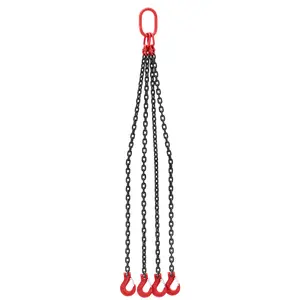
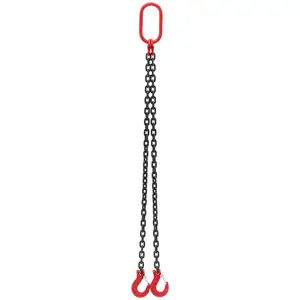
Chain slings are a workshop essential when you need a tough, dependable way to lift, position, and secure heavy loads. Built around robust lifting chain, they’re ideal for everyday handling tasks in engineering, fabrication, logistics, and plant maintenance—anywhere that strength, stability, and repeatable performance matter. Whether you’re moving a motor, aligning a steel frame, or loading machinery for transport, chain slings help you keep the lift predictable and the working area organised.
What makes chain slings so practical is their balance of strength and flexibility. The chain conforms to the load, sits securely around edges and anchor points, and tolerates the knocks and abrasion that can quickly damage softer slinging options. For many operations, a lifting chain solution also makes it easier to achieve an even, controlled pick—especially when you’re dealing with irregular shapes, lugs, or multiple attachment points.
Within this category, lifting chain is the core product—selected for professional use where consistent working load limits, clear identification, and durable construction are vital. Choose the length and chain thickness that suits your day-to-day jobs, then build your lifting approach around safe attachment methods and suitable lifting hardware. For overhead handling and vertical lifting, chain slings pair naturally with chain hoists, giving you precise height control when you need to bring a load into position slowly and safely.
Lifting chain options: how to choose chain slings that fit your job
Picking the right lifting chain starts with understanding the load and the lift path. Consider the maximum weight you’ll handle, the centre of gravity, and the points where the chain will connect. A well-chosen chain sling helps reduce swing, improves alignment, and makes it easier to place a load accurately—particularly useful when fitting parts, setting machinery onto bases, or lowering components into tight spaces.
Length is more than a convenience: it affects lifting geometry and stability. A chain that’s too short can force an awkward angle, while one that’s too long can reduce control and introduce snagging risks. Many users prefer to keep several lengths on hand so they can choose the most suitable option for each job, rather than improvising. If your work frequently changes—from lifting compact equipment to handling longer assemblies—having the right lifting chain length available can save time and reduce unnecessary strain on rigging points.
Chain thickness and rating are equally important. Heavier-duty lifting chain provides higher capacity and greater resistance to wear, making it a sensible choice for demanding environments. Look for clear markings and specifications so the chain’s capacity is easy to confirm during planning and inspections. When lifts involve more complex movement—such as pulling a load into alignment before lifting—appropriate supporting equipment can help; for horizontal positioning tasks, you may also want to coordinate your set-up with winch accessories so the overall handling process stays smooth and controlled.
Chain slings are also valued for versatility across different industries. Even when the lifting task is temporary—such as installing new fixtures, relocating equipment, or setting up a training facility—lifting chain provides a strong, reliable option for hoisting and positioning heavy items. That can include the careful placement of racks, frames, and platforms associated with weight lifting equipment, where accurate alignment is important and safe handling helps protect both installers and the equipment itself.
Safe use and long service life with chain slings
Chain slings are designed for repeated professional use, and a few straightforward habits help you get the best from them. Before each lift, check the chain for obvious wear, deformation, or damage. Make sure attachment points are secure, the chain is seated correctly, and the load is balanced so it won’t rotate unexpectedly when tension is applied. A brief pre-lift check supports safe working practices and helps prevent avoidable downtime.
Good handling technique also supports longevity. Avoid shock loading, sudden snatching, and dragging the chain unnecessarily across rough surfaces. When lifting around edges, protect both the chain and the load where appropriate, and choose attachment methods that keep the pull in line rather than twisting the chain. If you’re working in dirty or wet conditions, a simple clean-down after use can help reduce build-up and make inspections quicker next time.
Storage matters too. Keeping lifting chain neatly stowed—off the floor and away from corrosive substances—helps preserve its condition and makes it easier to select the right length for the next job. With the right chain slings on hand, you can approach lifting tasks with confidence: reliable capacity, dependable handling, and the robust performance you need for daily industrial work.