


Industrial Fans and Blowers
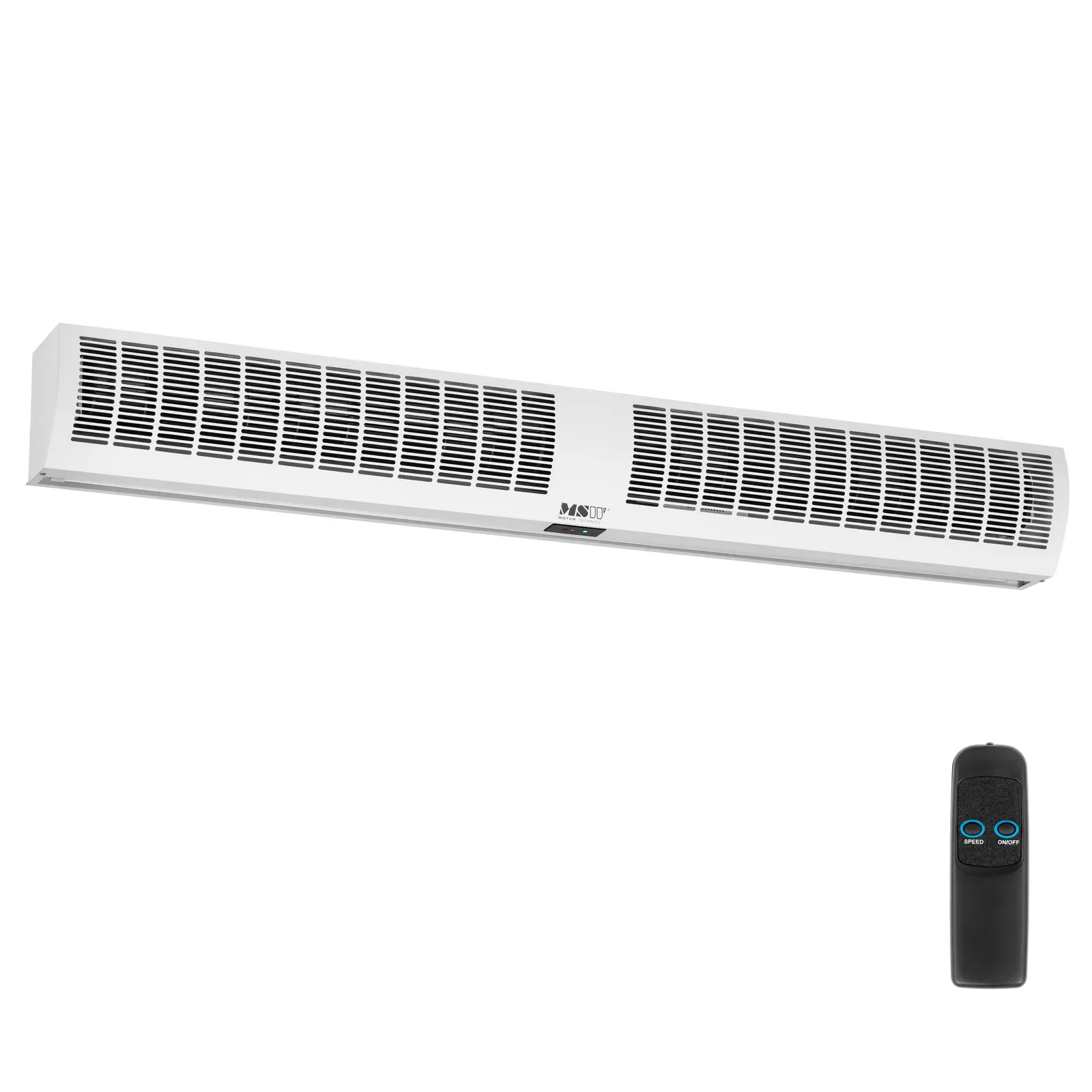

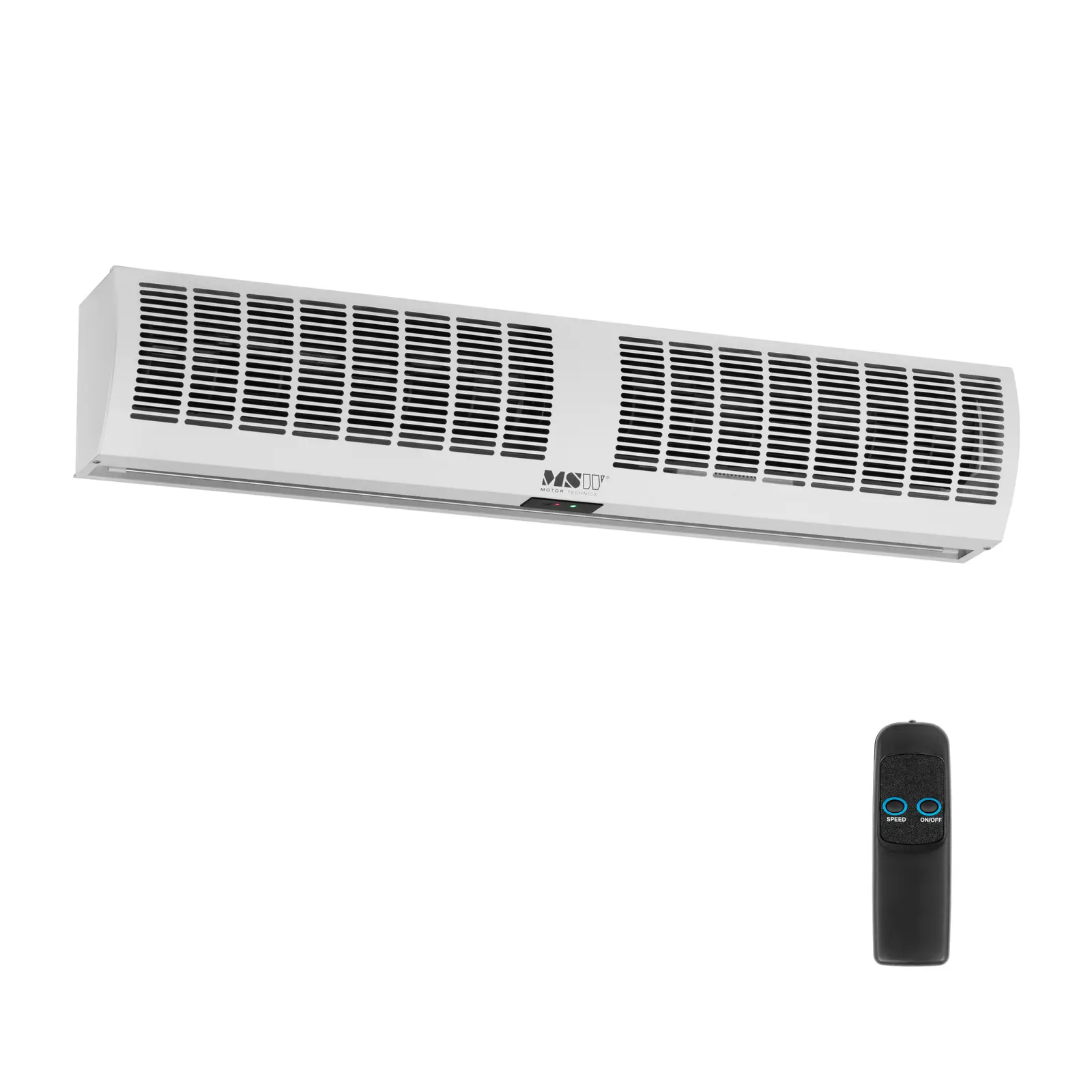
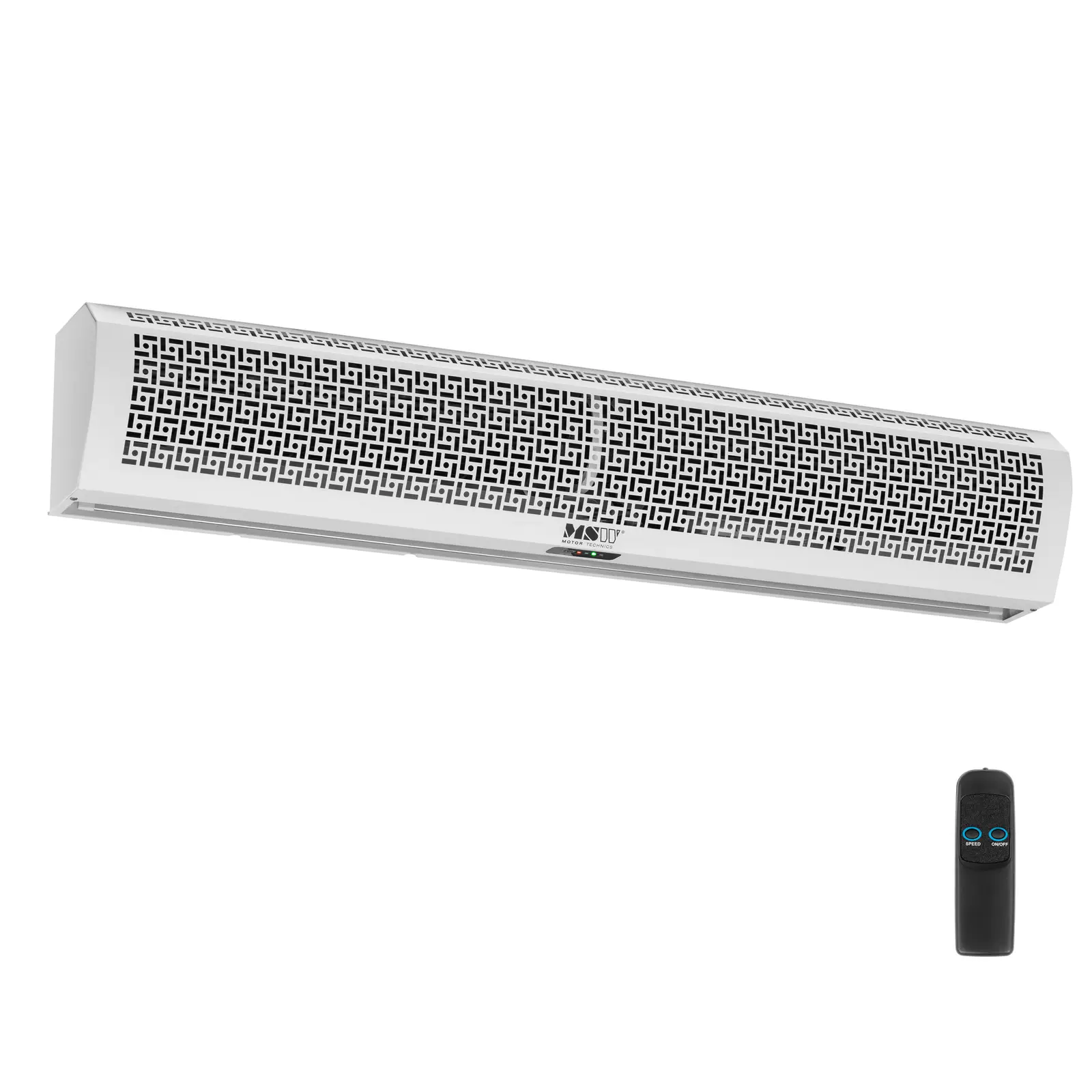
Air Curtain - 1.5 m - 2510 m³/h - remote control - 115 W
Lowest price in the 30 days before the discount: €289.00
- First
- 1
- Last
Get inspired with expondo blog




Industrial fans and blowers for entrance climate control
Industrial fans and blowers are at their most useful when they solve a real, everyday problem: keeping busy doorways comfortable, clean and energy-efficient without slowing down people or vehicles. That is exactly what air curtains are designed to do. Mounted above an entrance, an air curtain projects a controlled stream of air downwards, forming an “invisible barrier” that helps separate two environments while the door stays open for access.
In warehouses, loading bays, workshops, food prep areas and customer-facing entrances, this airflow barrier can make a noticeable difference. It helps to reduce unwanted drafts, limit the movement of dust and airborne particles, and discourage flying insects from entering. At the same time, it supports steadier indoor temperatures by reducing the exchange of warm and cold air through open doors.
Because air curtains use a focused jet rather than a physical door, they suit spaces where speed and convenience matter: frequent deliveries, trolley traffic, staff moving between rooms, or customers entering continuously. The result is a smoother working environment, a more pleasant welcome at the entrance, and less strain on your building’s overall heating or cooling strategy.
Industrial air curtains: fans and blowers that reduce heat loss
Within industrial fans and blowers, air curtains stand out as a specialised solution built around high-velocity airflow, stable output and reliable daily operation. The fan-and-blower assembly inside the unit is designed to accelerate air through the outlet grille, creating a consistent curtain across the width of the doorway. The aim is not to “cool” or “heat” the room directly, but to reduce mixing between indoor and outdoor air, which is often where comfort and energy losses begin.
To cover different entrances and use cases, air curtains are typically available in a range of lengths and performance levels. A compact air curtain can be ideal for smaller doorways such as internal access points, service counters or staff entrances, where you want a neat footprint but still need a dependable barrier against drafts and dust. For larger openings such as warehouse doors, high-output models with stronger airflow are better suited to maintaining coverage from greater mounting heights and coping with more challenging conditions.
Many installations benefit from adjustable fan speeds, allowing you to balance power, noise level and barrier strength depending on the season or time of day. In a customer entrance, a lower setting may be preferred for quiet comfort, while a higher setting can help during peak traffic or windy weather. Where odours and fumes are a concern, an effective air curtain can also help limit how much air migrates between zones, supporting cleaner transitions between working areas.
Air curtains are also a smart choice when you are managing broader building conditions. For example, in warm environments where you want a fresher feel at open entrances, they can be used alongside evaporative air coolers to help keep the cooled air where it is needed most. In spaces prone to moisture issues, pairing entrance separation with commercial dehumidifiers can support better control of condensation, storage conditions and overall comfort.
Choosing industrial fans and blowers: sizing, installation and everyday use
Selecting industrial fans and blowers for an entrance starts with the doorway itself. Measure the clear width and note the installation height available above the opening. An air curtain should be appropriately sized to cover the entrance width and deliver sufficient air velocity for the mounting height and expected pressure differences (for example, strong drafts from outside or frequent vehicle movement). A properly matched unit creates a more even curtain, avoiding weak spots at the edges that can allow drafts and debris to slip through.
Consider the environment the air curtain will face each day. A sheltered internal doorway may only need moderate airflow, while a busy loading bay can demand a more robust output. If the space is customer-facing, sound levels and appearance will also matter; in industrial zones, durability and consistent performance are often the top priority. Controls such as manual switches, remote operation or automated activation (depending on the setup) can make it easier to run the unit only when required, supporting efficiency and convenience.
Installation is typically straightforward when planned well: secure mounting, correct alignment and an unobstructed air path are key. Position the unit so the air stream falls cleanly across the opening and is not blocked by signage, lighting, door hardware or shelving. Regular maintenance is equally simple but important for long-term performance: keep inlet areas clear, remove dust build-up, and check that the outlet grille is free from obstructions so airflow stays consistent.
Finally, think about how the entrance fits into your wider comfort plan. An air curtain helps reduce unwanted air exchange, but some work areas still need dedicated heating in specific zones. For targeted warmth away from the doorway, electric space heaters can be a practical supplement, while the air curtain continues to protect the entrance line. With the right air curtain in place, you can make open-door working more comfortable, keep indoor conditions steadier, and support a cleaner, more professional environment for staff and visitors alike.