


Electronic Loads
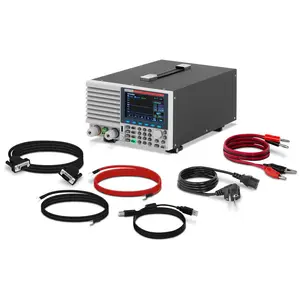

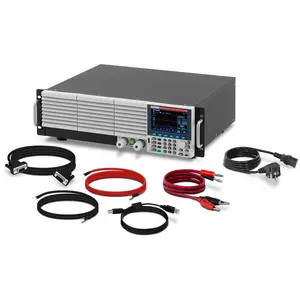
Get inspired with expondo blog







Electronic Loads for Accurate Power Testing and Reliable Measurements
Electronic loads are essential tools for engineers, technicians, laboratories and electronics professionals who need to test, analyse and verify the performance of power sources and electronic components. Unlike traditional fixed resistive loads, electronic loads provide precise control over current, voltage and power consumption, allowing users to simulate real operating conditions and perform detailed tests with greater accuracy.
At expondo, you can find professional electronic loads designed for demanding applications such as power supply testing, battery evaluation, charger analysis, DC converter verification and product development. Whether you are working in a research laboratory, repair workshop, production environment or educational facility, a reliable electronic load helps you create repeatable test conditions and obtain dependable measurement results.
By applying a controlled electrical load to a device under test, these instruments make it easier to identify weaknesses, optimise designs and confirm that equipment performs safely under different operating scenarios. From basic checks to advanced development processes, electronic loads provide the flexibility needed for modern electronics testing.
What Are Electronic Loads and How Do They Work?
An electronic load is a testing device that draws electrical power from a source in a controlled and adjustable way. It is commonly used to test devices such as power supplies, batteries, chargers, solar components and electronic circuits. Instead of using a simple resistor, an electronic load uses advanced circuitry to regulate the amount of current or power drawn from the connected device.
This controlled approach allows users to reproduce different operating conditions without manually changing components or building complicated test setups. For example, an engineer can test whether a power supply maintains stable output when subjected to increasing current demand or check how a battery behaves during different stages of discharge.
Many modern electronic loads feature programmable operation modes, digital displays and protection systems that make testing faster and safer. Users can adjust parameters precisely, monitor performance in real time and repeat the same testing sequence whenever required. This level of control is particularly valuable when comparing prototypes, checking production quality or troubleshooting electrical faults.
The Advantages of Using Electronic Loads for Testing
One of the biggest benefits of electronic loads is their ability to provide accurate and repeatable results. In professional electronics testing, consistency is essential. A controlled load ensures that every test is performed under the same conditions, making it easier to compare results and identify performance differences.
Electronic loads also save time during development and maintenance work. Instead of creating multiple physical load circuits, users can adjust settings directly on one device. This makes them suitable for a wide range of applications, from testing small electronic modules to analysing higher-power systems.
Another important advantage is flexibility. Depending on the model, electronic loads can operate in several modes, including constant current, constant voltage, constant resistance and constant power. Each mode is useful for different testing scenarios:
- Constant Current Mode allows users to draw a stable current from a power source, making it ideal for checking current limits and output stability.
- Constant Voltage Mode helps test devices that need to maintain a specific voltage level.
- Constant Resistance Mode replicates the behaviour of a traditional resistor-based load.
- Constant Power Mode enables realistic simulation of equipment that consumes a consistent amount of power.
This versatility makes electronic loads valuable tools across many industries, including electronics manufacturing, automotive technology, telecommunications, renewable energy and research.
Programmable Electronic Loads for Advanced Applications
For more demanding testing requirements, programmable electronic loads offer additional control and automation possibilities. These models allow users to define test sequences, store settings and simulate changing power demands. This is particularly useful when testing equipment that experiences variable loads during normal operation.
For example, a power supply used in industrial equipment may need to handle sudden increases in energy consumption. A programmable electronic load can recreate these conditions and show whether the power source responds correctly. This helps engineers detect instability, overheating issues or protection problems before products reach customers.
Automation features also improve efficiency in professional environments. When multiple devices need to be tested, programmable settings reduce manual adjustments and help maintain consistent testing procedures. This supports quality control processes and allows businesses to complete evaluations more quickly.
For a complete testing setup, electronic loads can be combined with other solutions from the electronic testing equipment range. Together, these tools help professionals measure electrical performance, diagnose faults and develop reliable products with confidence.
Applications of Electronic Loads in Laboratories and Workshops
Electronic loads are used in many environments where accurate power analysis is required. In laboratories, they support research and development by allowing engineers to test prototypes and evaluate electrical behaviour under controlled conditions. They are also widely used in educational settings, where students can learn about circuits, power management and measurement techniques.
In repair workshops, electronic loads help technicians diagnose problems with power supplies, chargers and battery-powered devices. By applying a controlled demand, technicians can determine whether a device delivers the expected performance or identify possible faults.
Manufacturers also rely on electronic loads for quality assurance. Before electronic products are released, they often undergo performance testing to ensure reliability and safety. Electronic loads allow manufacturers to perform these checks efficiently while reducing the risk of failures in real-world use.
Other common applications include testing:
- DC power supplies and adapters
- Battery charging systems
- Renewable energy equipment
- LED drivers
- DC-DC converters
- Communication equipment
- Automotive electronic components
Choosing the Right Electronic Load for Your Needs
Selecting the correct electronic load depends on the type of equipment you plan to test and the required testing parameters. The most important factors to consider are voltage range, current capacity and maximum power handling. Choosing a model with suitable specifications ensures accurate measurements and prevents the device from being overloaded.
The operating mode is another important consideration. If you regularly test power supplies, chargers or battery systems, a model with multiple operating modes provides greater flexibility. For development work, programmable functions can be especially useful because they allow you to create repeatable testing scenarios.
Display quality and usability should also be considered. Clear digital displays make it easier to monitor readings and adjust settings during testing. Simple controls are beneficial for everyday workshop use, while advanced interfaces may be preferable for laboratory environments where automation and data recording are required.
It is also worth considering how the electronic load will work alongside other equipment. Many professionals combine electronic loads with measuring instruments, power sources and analysis tools to create complete test stations. For example, pairing electronic loads with laboratory power supplies creates a practical setup for supplying controlled power and evaluating how devices respond under different conditions.
Electronic Loads and Battery Testing
Battery technology is becoming increasingly important in industries such as electric mobility, renewable energy storage and portable electronics. Testing battery performance requires accurate control of charging and discharging processes, making electronic loads an important part of many battery evaluation systems.
By applying a controlled discharge load, professionals can analyse battery capacity, efficiency and behaviour under different conditions. This information helps manufacturers improve battery designs and allows technicians to assess whether batteries meet required performance standards.
For applications focused specifically on battery condition and performance checks, additional tools such as battery testers can complement electronic load testing. Together, these solutions provide valuable insights into energy storage systems and help users maintain reliable equipment.
Improve Testing Accuracy With Professional Electronic Loads
Accurate electrical testing requires equipment that delivers stable performance, precise control and dependable results. Electronic loads provide these advantages by replacing basic load solutions with flexible instruments designed for modern testing requirements.
Whether you need to verify a new electronic design, test power supply performance, analyse battery systems or maintain professional equipment, the right electronic load can make the process faster and more reliable. With programmable features, multiple operating modes and practical safety functions, these devices support both everyday troubleshooting and advanced engineering tasks.
Investing in a high-quality electronic load helps businesses, laboratories and technicians improve efficiency while gaining greater confidence in their measurements. By creating controlled testing environments, electronic loads contribute to better product development, improved quality control and safer electrical systems.
Explore the range of electronic loads available at expondo and choose a solution that matches your testing requirements, whether you need precise measurements for research, development, maintenance or professional electronics applications.