


Commercial Barbecues

Get inspired with expondo blog



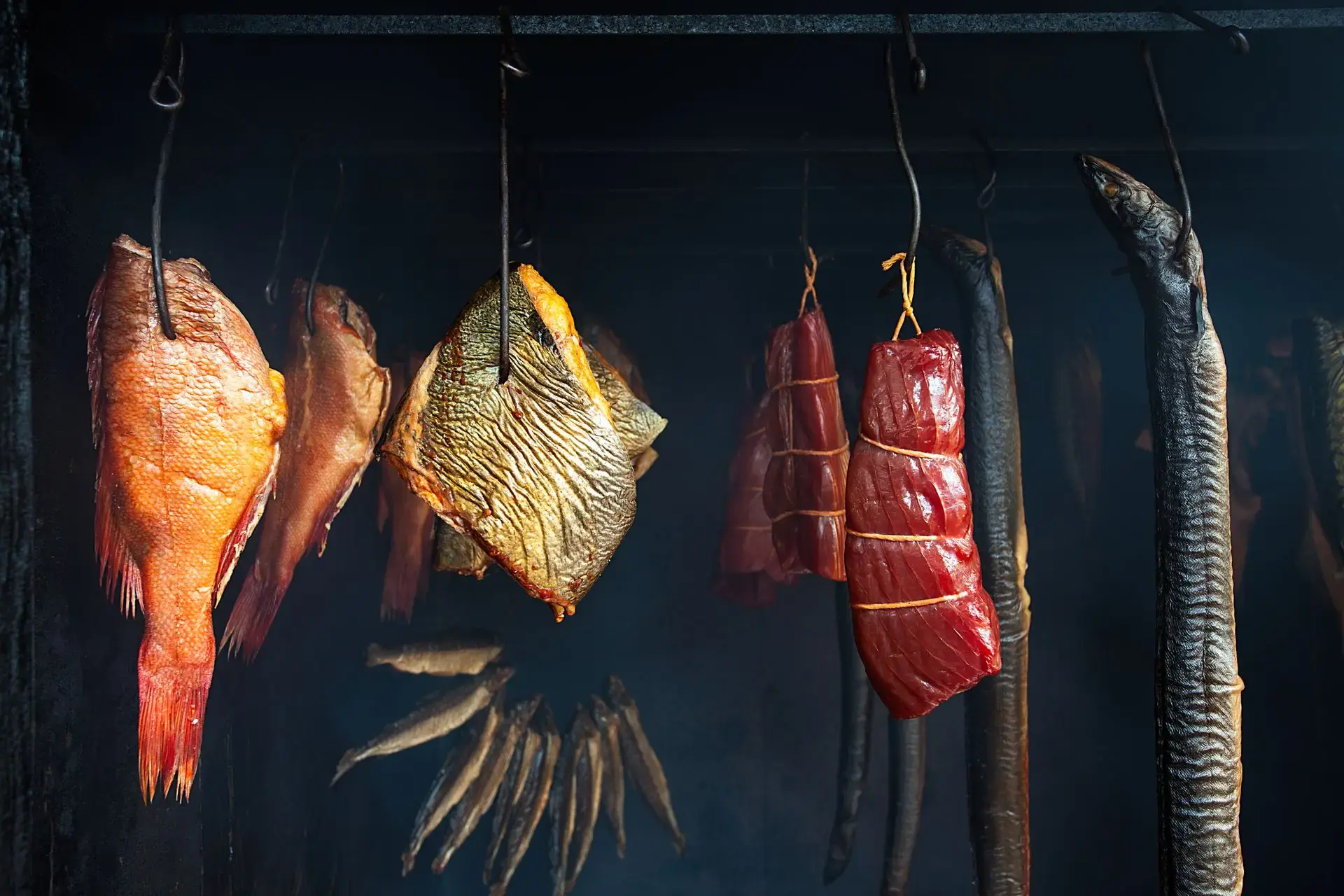
Commercial barbecues designed for high-volume, high-flavour cooking
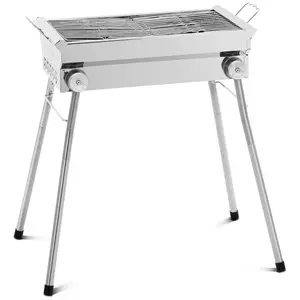
Commercial barbecues are made for the moments when speed, consistency, and real flame-grilled character all matter at once. Whether you run a pub garden, a festival stand, a hotel terrace, or a mobile catering pitch, a professional barbecue setup helps you serve crowd-pleasing food with the unmistakable aroma and appearance that guests associate with an authentic outdoor grill. In a commercial setting, that impact is not just “nice to have”; it is a practical way to draw attention, encourage repeat orders, and keep service flowing.
Because professional service can be relentless, the right barbecue should feel dependable from the first lighting to the last plate. Look for robust construction, stable frames, and grilling areas built to handle repeated use throughout the day. Many operators also value practical details such as comfortable working height, steady feet or wheels for repositioning, and surfaces that wipe down quickly between busy bursts. When your grill becomes the centre of the show, it pays to have equipment that is as presentable as it is hard-working.
If you are building a broader cooking line, you can also coordinate your barbecue with other heat sources so you are ready for any menu change. For example, pairing a barbecue station with commercial grills can help you cover both live-fire theatre and rapid, controlled cooking for staples like burgers, chicken, vegetables, and fish, without slowing your team down during peak hours.
Commercial barbecues with charcoal grill performance at the forefront
A charcoal grill is a classic choice for professionals who want bold flavour, strong searing, and the visual appeal of cooking over glowing coals. Charcoal heat lends itself to beautifully caramelised surfaces, attractive grill marks, and the kind of aroma that turns passers-by into customers. For many menus, it is the quickest route to that unmistakable barbecue identity, especially when you are selling outdoors and want the cooking process to be part of the experience.
Within the charcoal-focused end of commercial barbecues, you will often find formats that suit different service styles. Countertop charcoal grills can be a smart fit where space is tight or where you want to place the heat source directly on a prep line for efficient plating. Free-standing charcoal units are ideal when you need a dedicated station with generous capacity and clear separation from indoor prep. Models with a lid or hood can help manage heat and protect food in breezy outdoor conditions, supporting more even cooking for thicker items. Some designs also support multi-level grilling, giving you flexibility to sear at high heat and then hold or finish more gently.
Heat management is a key advantage of professional charcoal equipment. Adjustable grate heights, well-designed air flow, and thoughtfully sized coal beds make it easier to move between fast searing and steadier cooking, even when you are juggling several orders at once. With the right setup, you can create distinct zones—hot for steaks and skewers, milder for vegetables or buns—without changing your rhythm. The result is better timing, less waste, and more consistent plates across the service.
If your menu also includes items that benefit from smooth, even contact heat—such as smashed burgers, breakfast favourites, or delicate seafood—you may want to complement your barbecue station with griddles. This gives you the freedom to choose the best cooking surface for each dish while keeping your offering cohesive and efficient.
Choosing commercial barbecues: capacity, control, and easy cleaning
Selecting commercial barbecues is easiest when you start with service capacity. Think in terms of how many portions you need to cook at once, how quickly you need to turn them around, and whether you will be cooking a wide mix of items or focusing on a tighter menu. A larger grilling surface supports batch cooking for events and peak-time rushes, while a more compact unit can be perfect for pop-ups or smaller outdoor spaces where you still want a professional finish. Also consider whether you need room for different zones, so you can sear, cook through, and hold without overcooking.
Control and safety go hand in hand in professional environments. Stable construction and sensible layout help reduce accidental knocks, while handles, shelves, and working areas placed where you naturally reach can keep your team moving smoothly. For charcoal cooking, features that support controlled air intake and sensible coal placement can improve fuel efficiency and reduce temperature swings. A predictable grill is easier to staff, simpler to train on, and far less likely to disrupt service with surprises.
Cleaning should be treated as a performance feature, not an afterthought. Smooth surfaces, removable grates, and sensible ash management can save valuable minutes at close-down and help you maintain a hygienic station during the day. When maintenance is straightforward, your barbecue is more likely to stay in peak condition, which supports reliable heat, better results, and a more professional appearance in front of customers.
Finally, remember that a barbecue station rarely works alone. It typically sits alongside prep tools, storage, serving solutions, and other back-of-house essentials. If you are equipping a new site or upgrading an outdoor service area, exploring the wider range of catering equipment can help you build a practical, well-matched setup—so your commercial barbecues can shine, service after service.