


Towing Equipment
FILTER

- First
- 1
- Last
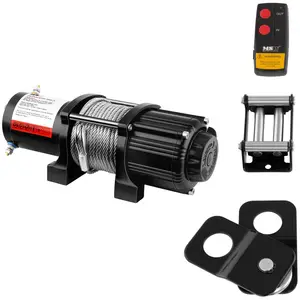
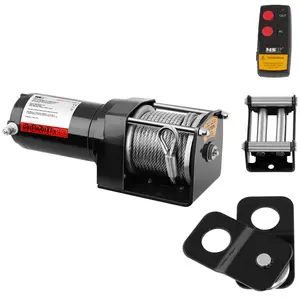
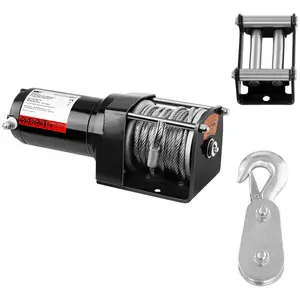
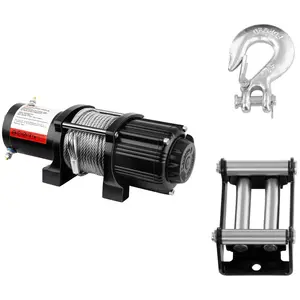
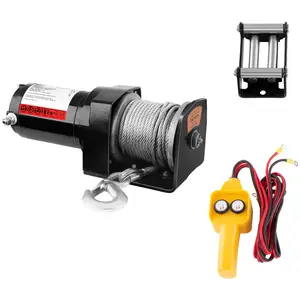
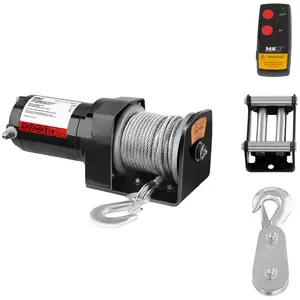
Towing equipment built around the electric winch for reliable pulling power
Whether you are loading, recovering or positioning a heavy item, towing equipment should feel predictable, controlled and strong. The backbone of this category is the electric winch: a compact powerhouse designed to pull vehicles, machinery, boats or awkward loads with steady force, reducing strain on the operator and helping you work more efficiently. From occasional tasks to regular use, an electric winch adds confidence when traction is limited, access is tight, or manual effort would be unsafe.
Within this category you will find electric winches suited to different real-world scenarios, including vehicle-mounted setups, trailer and workshop installations, and portable configurations for flexible use. Many models are engineered to provide high line pull while remaining manageable in size, making them ideal for spaces where you need serious performance without bulky equipment. With the right winch in place, tasks such as pulling a vehicle onto a trailer, recovering equipment from soft ground, or drawing a load into a precise position become far easier to plan and execute.
Electric winches in this range are designed for practical day-to-day operation. Features you can expect include robust housings, durable gearing for smooth power transfer, and dependable cable or rope handling for consistent winding. Because towing work rarely happens in perfect conditions, it also matters that the winch is built to cope with dirt, moisture and repeated load cycles, helping you maintain performance over time with sensible care and correct use.
Choosing towing equipment: how to match an electric winch to the job
Selecting the right electric winch starts with understanding the load and the way it will be moved. Line pull rating is crucial, but so is how the pull will be performed: straight-line recovery, angled pulls, loading onto ramps, or short draws to reposition equipment. A well-chosen winch supports controlled movement and reduces the temptation to rush, which is often when damage occurs. If you expect frequent use, consider a model designed for sustained performance, smooth operation and easy handling.
Power supply and installation style also influence your choice. Some electric winches are optimised for vehicle electrical systems, while others fit neatly into fixed locations such as a trailer bed, a recovery frame or a workshop platform. Think about how you will mount the winch, how the cable will feed under load, and whether you need a remote control for safer positioning during operation. Small details such as cable length, drum capacity and the design of the fairlead can make a noticeable difference in everyday convenience.
For better load control, look for winch designs that support consistent braking and stable winding, especially when lowering or holding tension. A controlled pull reduces shock loads on the cable and attachment points, improving overall safety and helping your towing equipment last longer. If your tasks involve changing pull direction, you may also value easy access to the clutch or free-spool mechanism, enabling quicker cable deployment and faster setup before the pull begins.
Finally, always plan your attachment method. A secure connection point supports a straight, efficient pull and helps prevent twisting or uneven loading. If you need suitable connecting components, you can pair your winch setup with catch hooks for dependable connections when used correctly with compatible rigging and rated points. The goal is a tidy, secure system where every component contributes to controlled movement rather than improvisation.
Electric winch towing equipment for safer loading, transport and everyday readiness
Good towing equipment is not only about raw pulling force; it is about making the entire workflow smoother, safer and more repeatable. An electric winch helps you keep momentum under control when loading items onto trailers, guiding a vehicle into position, or drawing heavy objects across a surface. Because the winch does the heavy work, you can focus on alignment and stability, which is especially valuable when operating in tight yards, on uneven ground or in poor weather.
If you transport loads, consider how your towing setup supports the broader journey. Winching is often only one stage: once the load is in place, you still need to secure it properly and keep it stable during travel. For keeping cargo contained and protected on the move, trailer nets can complement your loading routine, helping you maintain a neat, secure load space once the pulling work is complete. This creates a more complete process from loading to arrival, with fewer loose ends to manage.
Practical use also depends on how well your equipment integrates with your vehicle or towing platform. Clean cable routing, sensible mounting, and easy access to controls all help the winch feel like a natural part of the setup rather than an awkward add-on. If you are refining your vehicle-based setup for work or leisure, browsing compatible vehicle accessories can help you tailor your arrangement for convenience, storage and safer operation, keeping your towing equipment ready when you need it.
With the right electric winch at the heart of your towing equipment, you gain a dependable tool for recovery, loading and positioning. Choose the rating and configuration that matches your routine, prioritise controlled operation, and build a neat system around secure attachment and sensible handling. The result is a setup that feels professional, capable and ready for the demands of real work.