


Crimping tools
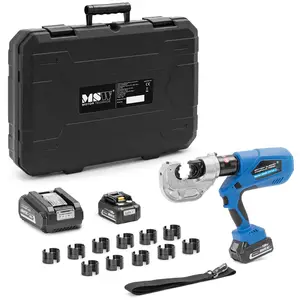

Crimping tools for dependable electrical and mechanical connections
Crimping tools are designed for one job done exceptionally well: creating a secure, long-lasting connection by compressing a connector around a conductor or component with controlled force. Whether you are assembling control cabinets, repairing wiring looms, preparing battery leads, or fitting terminals for lighting and appliances, a quality crimp can help deliver consistent conductivity, strong strain relief, and a professional finish that stands up to vibration and day-to-day use.
Within this category you will find crimping tools built to handle the most common connector types and cable sizes used in workshops, maintenance environments, and site work. From insulated and non-insulated terminals to wire ferrules and larger cable lugs, these tools are engineered to produce the correct profile and compression so the joint resists pull-out and avoids loose strands that can cause overheating.
Many crimping tools in this range prioritise repeatability. Features such as ratcheting mechanisms, defined crimp cycles, and precisely machined jaws help ensure each connection is formed to the same standard, even across longer jobs. That means fewer reworks, easier fault finding, and neat terminations that fit properly in connectors, junction boxes, and enclosures.
Ergonomics also matters when crimping is a regular task. Comfortable grips, balanced weight, and smooth action reduce hand fatigue, while high-leverage designs support clean compression with less effort. The result is a tool you can rely on for day-to-day fitting, repairs, and upgrades without compromising on comfort or control.
Choosing the right crimping tools: ratchet, hydraulic and precision options
The best crimping tool is the one matched to your connector type, cable size, and expected workload. Ratchet crimping tools are a popular choice for terminals and ferrules because they deliver a consistent crimp force and typically only release when the cycle is completed. This helps prevent under-crimping, particularly useful when accuracy matters for distribution blocks, relays, and tight terminal strips.
For larger cross-sections and heavy-duty cable lugs, hydraulic crimping tools provide the extra force needed to form strong compression joints without excessive strain on the user. These models are suited to thicker conductors and robust connectors used in power distribution, battery systems, and industrial equipment. A controlled hydraulic action supports uniform results and can be a practical option when you need repeatable performance over demanding materials.
Precision crimping tools offer targeted solutions for specific applications such as wire-end ferrules, multi-pin connectors, or specialist profiles. Depending on the jaw design, you may see hexagonal crimps for 360° compression, indent styles for secure mechanical grip, or dedicated dies that match the geometry recommended by connector standards. Selecting the correct crimp profile helps ensure the connection fits as intended and maintains reliable electrical contact.
When building a capable bench setup, crimping tools pair naturally with other essentials used for cutting, stripping, measuring, and fastening. If you are equipping a broader workspace, you can coordinate your crimpers with complementary hand tools for efficient preparation and assembly, keeping tasks streamlined from cable prep through to final installation.
To get the most from your crimping tools, look for practical details that support your workflow: clear size markings, robust pivot points, hardened jaws, and stable alignment. For teams and mixed tasks, having a dedicated selection can reduce changeover time, so your technicians can move quickly between connector types while maintaining consistent workmanship.
Crimping tools accessories, maintenance and workshop integration
A well-organised crimping setup is about more than the tool alone. Interchangeable die systems and size-specific jaws make it easier to adapt to different terminals and cable ranges without sacrificing accuracy. Where applicable, die sets allow you to keep the crimp profile aligned with the connector specification, supporting neat results across varied jobs such as control wiring, equipment refurbishments, and on-site fixes.
Maintenance is straightforward but important for long-term performance. Keeping jaws clean, pivots lightly lubricated, and mechanisms free of debris helps preserve smooth action and accurate alignment. Ratchet tools benefit from periodic checks to ensure the release and cycle remain consistent, while hydraulic models should be handled with care to protect seals and keep the action responsive. A tidy storage routine also reduces the risk of knocks that could affect jaw geometry over time.
If you are building or refreshing your workshop, consider how crimping tools sit within your broader kit. Grouping crimpers with cutters, strippers, and testers can speed up cable preparation and reduce interruptions. For a cohesive approach, many users prefer to assemble coordinated hand tool sets so frequently used items are always to hand, whether you are working at the bench or taking a portable kit to site.
Crimping often forms part of a larger maintenance or assembly job, where removing components, sleeves, or bearings may also be required. In those situations, pairing your crimping tools with specialist extraction equipment such as puller tools can help you handle the full task cycle with confidence, from dismantling through to re-termination and reassembly.
Ultimately, the right crimping tools help you work faster while raising the standard of every connection. By choosing a tool type suited to your connectors and cable sizes, and by maintaining it well, you can achieve clean, reliable crimps that look professional, perform consistently, and support safe operation in everything from everyday wiring to demanding industrial applications.