


Bird Watching Equipment
FILTER
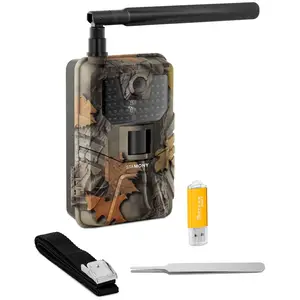

Game Camera - 8 MP - Full HD - 44 IR LEDs - 20 m - 0.3 s - LTE with GSM booster
- First
- 1
- Last
Bird watching equipment for enjoyable, confident viewing
Whether you are learning common garden visitors or travelling to reserves in search of rarer sightings, the right bird watching equipment helps you spot detail quickly and stay comfortable for longer sessions outdoors. The range in this category is chosen to support real-world birding: quick set-up, dependable performance in changeable British weather, and practical features that make identification easier without fuss.
Good observation starts with stability and clarity. That means optics that are easy to focus one-handed, comfortable to hold, and bright enough for early mornings or overcast afternoons. It also means equipment that lets you watch without disturbing wildlife—particularly valuable for shy species, nesting sites, and habitual feeding routes where patience pays off.
If your birding begins at home, consider how you can create a consistent viewing spot as well as the kit you use to observe. A feeder near a hedge, a water source, and a clear line of sight from a window or patio can transform casual glances into regular, rewarding watching. When you are improving your outdoor space, practical garden equipment can help you keep paths tidy, manage foliage, and maintain viewing areas so you can focus on the birds rather than the undergrowth.
From quick identification of movement in the canopy to careful study of plumage markings on a fence post, this category centres on versatile tools that support every stage of your birding. You will find portable optics for handheld viewing and discreet camera-based options for monitoring activity when you are not there—ideal for understanding behaviour and patterns over time.
Monocular options for lightweight birding and fast focusing
A monocular is a brilliant choice when you want a compact alternative to bulkier optics. It slips easily into a pocket or daypack and is ready in seconds—perfect for dog walks, commuting routes, or spontaneous birding when you catch a flutter of wings and need magnification immediately. The single-tube design is also intuitive for beginners: lift, focus, and identify without adjusting two barrels.
For everyday use, look for a comfortable grip, a smooth focusing mechanism, and a bright, clear view that stays sharp across the image. A well-chosen monocular makes it easier to confirm key field marks—such as wing bars, eye stripes, or bill shape—so you spend less time guessing and more time enjoying the moment. Many birders also appreciate how a monocular can be used one-handed, leaving the other hand free for a notebook, phone, or field guide.
If you prefer a wider, more immersive view for scanning treetops or following birds in flight, you may also want to complement your kit with binoculars. Using both styles can be a practical approach: a monocular for light carry and quick checks, and a wider-view optic for longer sessions where comfort and tracking are key.
In day-to-day birding, the best optic is the one you will actually take with you. A monocular encourages regular use, and regular use builds skill: faster recognition of silhouettes, improved awareness of calls and movement, and greater confidence when distinguishing similar species at a glance.
Game camera bird watching equipment for discreet, hands-off monitoring
When you want to observe behaviour without being present—especially at dawn, dusk, or in quieter corners of the garden—a game camera can reveal a side of bird life you might otherwise miss. Set up near a feeder, bird bath, or natural perch and you can capture visiting patterns, interactions between species, and feeding times with minimal disturbance.
Game cameras are designed for outdoor conditions, making them well-suited to year-round use. Practical features to consider include a responsive motion sensor, dependable night illumination for low-light capture, and clear image quality that helps you recognise species and behaviours. Time-based recording is also helpful for documenting routines: when birds arrive, how long they stay, and whether activity changes with weather or season.
Placement is key for getting the best results. Aim the camera at a stable scene, avoid direct glare from strong sunlight, and position it at an angle that reduces false triggers from moving branches. Secure mounting and sensible distance to the focal point will improve detail, while thoughtful positioning helps you capture natural behaviour without the camera becoming a distraction.
Using a game camera alongside handheld optics creates a rounded birding set-up. Watch live with your monocular when you are outdoors, then review captured footage to learn what happens when the garden is quiet. Over time you can refine your feeding spots, adjust perches, and plan your watching sessions around the times your favourite visitors are most active—turning everyday bird watching into a richer, more informed experience.