


Engineering Equipment
FILTER
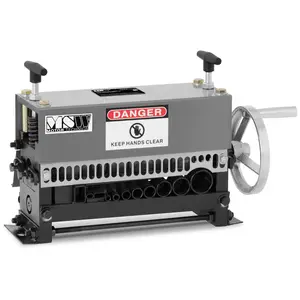

Wire Stripper - manual - 11 slots
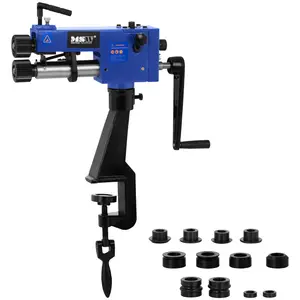
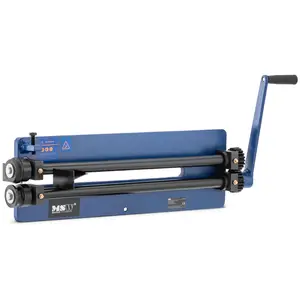
Bead Roller - 177 mm - manual - 6 pairs of dies
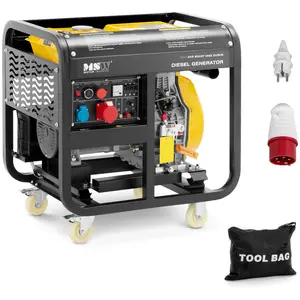
Diesel Generator - 2830 / 8500 W - 30 L - 230/400 V - mobile - AVR - Euro 5
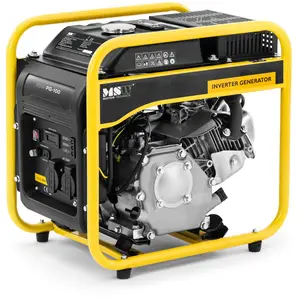
Petrol Inverter Generator - 3500 W - 230 V AC - recoil start
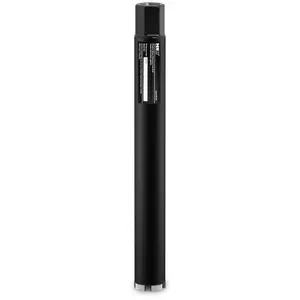
Diamond Core Drill Bit - Ø 50 mm - 400 mm

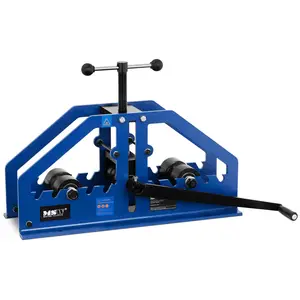
Pipe Bending Machine - manual - round pipes Ø 38 mm
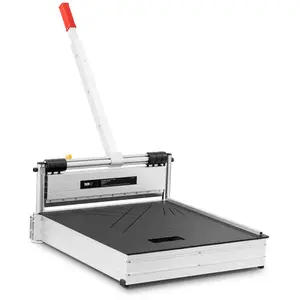
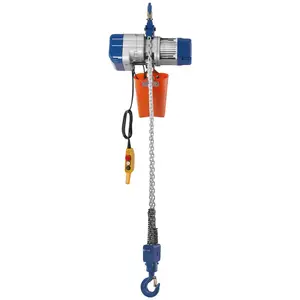
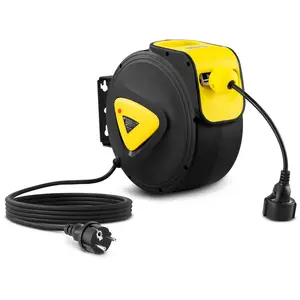
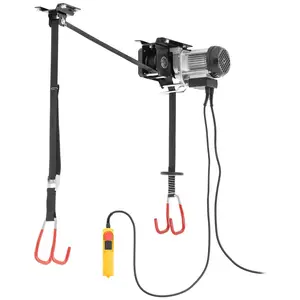
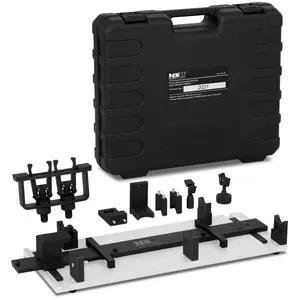
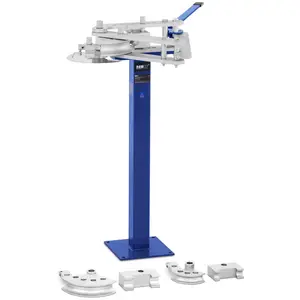
Pipe Bending Machine - manual - 120° - floor-mounted unit
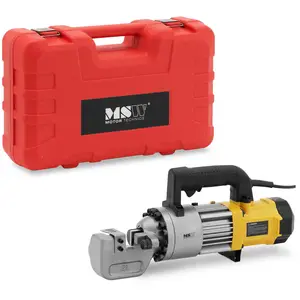
Rebar Cutter - 4 - 22 mm - 25 t
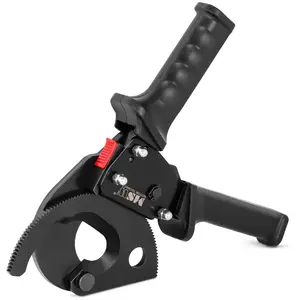
Ratchet Cable Cutter
Engineering equipment for fabrication, forming and workshop builds
Whether you are building frames, fabricating brackets, or producing neat, repeatable bends for handrails and pipework, the right engineering equipment makes every stage faster and more consistent. This category brings together practical machines and tools designed for real workshops, where accuracy matters and downtime is not an option.
For clean curves and controlled angles, a manual pipe bender is a dependable choice when you need tactile feedback and straightforward operation on site or in a compact workshop. If you are bending more frequently, or working with tougher materials and tighter tolerances, a pipe bending machine helps you maintain uniform results from the first piece to the last, reducing rework and improving the overall finish.
Metal forming often needs more than a bend. A bead roller supports you when you want to stiffen panels, add reinforcement lines, or create professional-looking details that strengthen sheet metal without adding excessive weight. It is a go-to piece of engineering equipment for fabrication tasks where structural rigidity and appearance are equally important.
To keep assemblies square and accessible, a welding table with wheels offers a stable working surface that can be positioned exactly where you need it. With mobility built in, you can reorganise your workspace quickly, keep parts within reach, and create a safer, tidier flow from cutting and preparation through to tacking and final welds.
Engineering equipment for drilling, cutting and surface preparation
When the job calls for precise openings through dense materials, a core drilling machine delivers controlled power and clean circular cuts. It is ideal for tasks such as routing services through concrete and masonry, and it pairs naturally with a diamond core drill bit for dependable performance and a crisp edge. For wet drilling setups, a core drill water tank helps manage dust while cooling the bit, supporting both efficiency and a better working environment.
Cutting and shaping are also central to many engineering projects, and this category covers equipment that supports both speed and neat results. A plasma cutter is well suited to rapid, accurate cuts in conductive metals, especially where complex shapes or internal cut-outs are required. For high-impact breaking and removal work, a demolition hammer provides the force needed to tackle stubborn materials and speed up preparation before fabrication or installation begins.
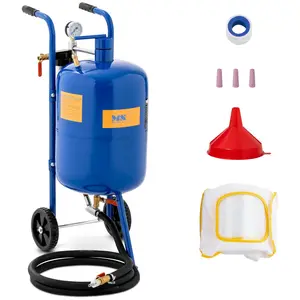
For finishing, cleaning, and surface conditioning, a portable sandblaster helps you strip coatings, remove corrosion, and prepare parts for painting or welding. Pair that approach with a spray gun when you want an even coat and a more professional final appearance. These tools are practical additions to an engineering equipment setup where presentation, protection, and durability are key outcomes, not afterthoughts.
If your workflow extends beyond fabrication into broader operations, you may also wish to explore related ranges such as production machinery for higher-throughput processes, industrial equipment for heavy-duty site and facility needs, or laboratory devices where testing, measurement, and controlled environments support engineering decisions.
Engineering equipment for lifting, handling, installation and dependable results
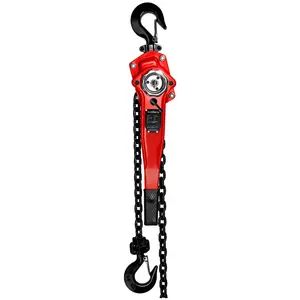
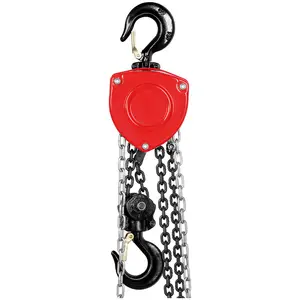
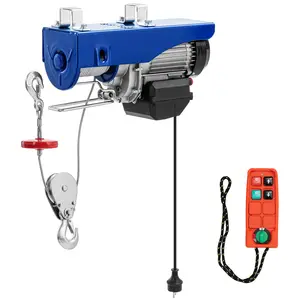
Handling heavy components safely is just as important as making them. For lifting and positioning loads with confidence, a chain hoist is a workshop staple, providing controlled vertical movement when you are assembling structures, aligning parts, or supporting equipment during maintenance. If you want powered lifting with consistent speed and reduced manual effort, an electric chain hoist is an excellent upgrade for frequent use or heavier loads. Where portability and flexible rigging are essential, a lever hoist offers precise pulling and tensioning, making it a useful tool for alignment, securing, and installation work.
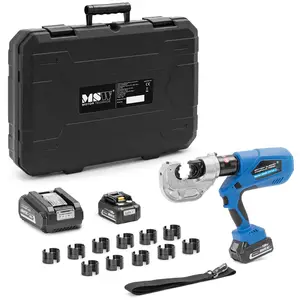
Engineering equipment is not only about headline machines; it is also about the small tools that protect quality and keep projects moving. A wire stripper supports clean electrical preparation without nicking conductors, while a crimping tool helps you create secure, repeatable connections that stand up to vibration and daily wear. These practical essentials reduce faults, speed up installation, and contribute to a more professional finish on every job.
Choosing the right engineering equipment means balancing power, control, and usability. Look for solutions that match your materials, your working space, and your typical workload, and aim for tools that improve repeatability as much as speed. With robust construction, sensible features, and workshop-friendly design, the products in this category are built to support reliable outcomes, safer handling, and a smoother workflow from first setup to final inspection.