


Pellet Mill Dies

- First
- 1
- Last
Get inspired with expondo blog





Pellet mill dies for reliable throughput and uniform pellets
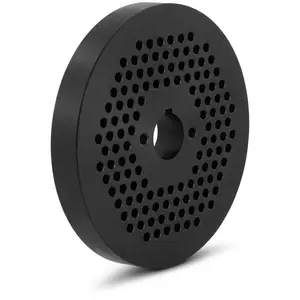
Pellet mill dies sit at the heart of every pelleting process, shaping loose material into consistent, durable pellets with the density your application demands. Whether you are producing biomass fuel, animal feed, or other granulated products, the right die helps your mill run smoothly, reduces waste, and supports repeatable results batch after batch. Our selection of pellet mill dies is designed for practical performance: clean, precisely drilled holes, dependable material quality, and a fit that supports stable compression and efficient output.
Because the die does the forming work, small details make a big difference. Hole diameter and the effective compression length influence pellet hardness, surface finish, and how well pellets hold together during handling and storage. A well-matched die can also improve feeding behaviour, lowering the risk of blockage and helping your machine maintain a steady rhythm. If you are building a complete setup or upgrading an existing line, you can pair these components with compatible pellet machines to create a pelleting station that’s ready for day-to-day production.
We focus on core, high-impact components within this category, including pellet mill die for WIE models, along with matching rollers that help maintain correct pressure and traction. These are the parts most likely to influence pellet quality and running costs over time, which is why choosing the right die is a smart investment for both smaller workshops and higher-demand operations.
Pellet mill die and roller combinations that keep your press performing
A die is only as effective as the rolling system working against it. That is why this category also includes roller for pellet mill WIE and roller for pellet presses WIE options, helping you refresh the critical contact surfaces that drive compression. Rollers apply the force that pushes material into the die channels; when roller surfaces wear down or lose grip, output can drop and pellet consistency can suffer. Replacing rollers at the right time helps maintain stable pressure, reduces slippage, and supports even wear across the die face.
When you fit a new pellet mill die, it is often sensible to consider the condition of your rollers too. A fresh die combined with worn rollers can lead to uneven loading and premature wear, while a balanced replacement can help extend service life and keep performance predictable. Look for a roller and die pairing that suits your material type and typical throughput, ensuring your press stays responsive during long runs.
Good maintenance is not only about the parts inside the press. Pelleting is often carried out in dusty or humid working areas, so clear visibility and safe conditions matter when you are cleaning, inspecting, or adjusting components. If your setup includes wash-down zones, biomass storage areas, or high-humidity spaces, suitable damp room lights can support safer routine checks without compromising on durability.
Choosing pellet mill dies: fit, material, and the results you want
Selecting pellet mill dies is easiest when you start with compatibility and finish with the outcome you expect from your pellets. First, confirm the die type and fit for your machine model, such as a pellet mill die for WIE, so installation is straightforward and alignment remains correct. Next, consider your raw material: softer biomass and mixed feed blends may behave differently in the press, and the right hole specification can help you hit the balance between throughput and pellet strength.
Consistency is the real marker of a well-chosen die. A correctly specified die can deliver pellets that flow cleanly, resist crumbling, and keep their shape during transport. For users producing fuel pellets, pellet durability and density can influence storage efficiency and burning characteristics. If your pellets are intended for domestic heating appliances, reliable pellet formation supports smoother feeding and cleaner operation in systems such as pellet stoves.
To help you get the most from your die and rollers, it is worth planning for routine care: keep the die face clean, monitor roller pressure, and address unusual noise or vibration early. Regular inspection helps you spot wear patterns before they affect pellet quality, while timely replacement of rollers for pellet mill WIE and related components can keep your press efficient. With the right pellet mill die and a well-matched roller set, you can focus on producing pellets that meet your standard, shift after shift, with equipment that feels dependable and professional.